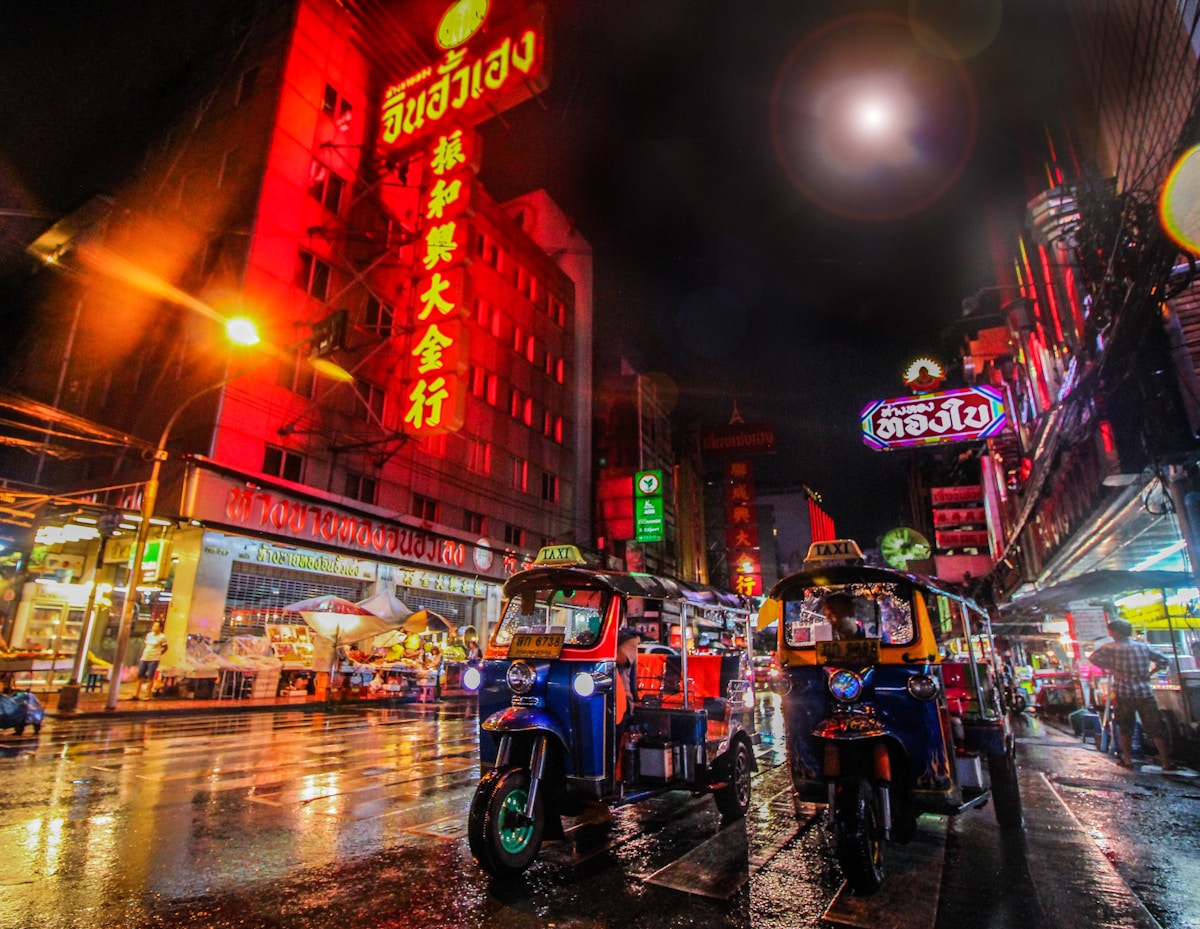
Comparing HCMC and Bangkok for dental tourism. Prices, quality, visa ease, and infrastructure — why Ho Chi Minh City is the smarter choice for most patients in 2026.
Bangkok has been the dominant brand in Southeast Asian dental tourism for two decades, and it retains real advantages — a mature medical tourism infrastructure, a long list of JCI-accredited hospitals, and an international reputation built on millions of patient visits. But the gap between HCMC and Bangkok as dental destinations is narrowing fast, and on several dimensions that matter to patients choosing where to spend their dental budget, Ho Chi Minh City now comes out ahead. HCMC clinics are younger and more recently equipped. Prices run consistently lower. The city’s expat and international patient base has driven a rapid improvement in English-language dental communication. Vietnam’s visa regime is increasingly favourable. And HCMC’s proximity to some of Southeast Asia’s best beach recovery destinations adds a meaningful quality-of-life argument. This article presents ten evidence-based reasons why HCMC deserves serious consideration — and in many cases the top ranking — over Bangkok for dental work in 2026.
1. HCMC Is 15–25% Cheaper Than Bangkok for Most Procedures
The price differential between HCMC and Bangkok is consistent across treatment types and has persisted even as both cities’ dental sectors have matured. A Straumann single implant in Bangkok runs $1,500–$2,200 at a reputable clinic. The same implant brand at Picasso Dental Clinic or Worldwide Beauty And Dental Hospital in HCMC costs $900–$1,500. On a full-arch All-on-4 case — where Bangkok charges $10,000–$18,000 — HCMC clinics come in at $7,000–$14,000. Porcelain veneers that cost $800–$1,200 per tooth in Bangkok are $400–$700 per tooth in HCMC.
For patients replacing multiple teeth or combining several procedures, the absolute saving is material. On a three-implant case, the difference between Bangkok and HCMC pricing can exceed $3,000 — more than enough to cover return flights and a week’s accommodation in Vietnam.
2. Newer Clinic Infrastructure
Bangkok’s dental hospital sector is older and larger — but older also means some facilities are working with equipment and fit-outs that date back 15–20 years. HCMC’s dental sector has undergone rapid investment in the last decade, with many of the city’s top clinics built or comprehensively refurbished since 2015. Picasso Dental Clinic opened in 2013 and has expanded continuously. Worldwide Beauty And Dental Hospital operates hospital-grade diagnostic and surgical suites. The result is that HCMC’s leading clinics are often running newer cone-beam CT scanners, newer digital impression systems, and newer chairside CAD/CAM milling units than comparable Bangkok facilities.
3. English Communication Is Strong at the Clinic Level
Bangkok’s international dental reputation was built partly on the multilingual capability of Thailand’s major hospital chains — but that communication strength is concentrated in large hospital groups with dedicated international patient departments. At independent clinic level, English depth in Bangkok is variable. In HCMC, the combination of a large English-speaking expat community (200,000+), decades of American cultural influence, and a dental sector that has actively courted international patients has produced strong English communication at the dentist level — not just at reception. At clinics like Picasso, Worldwide Beauty, and Westcoast International, dentists discuss treatment plans, material options, and post-procedure care in fluent English. This matters for patients making complex decisions under time pressure during a short trip.
4. Visa Access Is Increasingly Favourable for Western Nationals
Vietnam extended its unilateral visa-free period to 45 days in 2023, and the list of eligible nationalities covers most Western dental tourists: Australia, UK, Germany, France, Italy, Spain, Canada, and others. US citizens also receive 45 days visa-free. Thailand offers 60 days for most Western nationals, a slight edge — but Vietnam’s e-visa system provides easy extensions and 90-day visas for multi-trip visitors. For patients requiring two visits separated by the 3–6 month osseointegration period (standard for implants), both countries offer straightforward multi-entry visa options.
5. Internationally Trained Surgeons at Leading Clinics
The argument that Bangkok’s dentists are better trained than HCMC’s is increasingly outdated. Worldwide Beauty And Dental Hospital has 15+ specialists who completed postgraduate training at Harvard and Loma Linda University — two of the most rigorous dental programmes in the world. Vietnamese dental training at the University of Medicine and Pharmacy Ho Chi Minh City is a six-year degree, and many senior surgeons at the city’s top clinics hold international fellowship or master’s qualifications from the USA, South Korea, Australia, and Europe. At the leading clinic level, the surgeon credentials available in HCMC match anything Bangkok offers.
6. Less Crowded, More Personalised Patient Experience
Bangkok’s dental tourism success has created scale — but scale has a downside. Major Bangkok dental hospitals processing hundreds of international patients per week operate with the efficiency logic of a production system. Patient experiences can feel impersonal, with rapid handoffs between administrative and clinical staff. HCMC’s top clinics handle significant international patient volumes but at a scale that still permits genuine dentist continuity and personalised care. Patients who return for follow-up treatment reliably see the same dentist. Treatment planning conversations involve the actual treating surgeon, not a patient coordinator acting as intermediary.
7. Recovery-Friendly Beach Destinations Are Directly Accessible
Post-procedure recovery is a legitimate consideration for major dental surgery — implants, All-on-4, bone grafting, and extraction cases all benefit from rest, reduced activity, and access to soft foods. Vietnam’s domestic air network makes post-treatment beach recovery logistically simple. Phu Quoc (direct flights from HCMC, 55 minutes) offers five-star resorts with soft-food-friendly menus. Da Nang and Hoi An (1 hour 20 minutes by air) combine beach access with UNESCO heritage. Nha Trang (1 hour) is the classic Vietnamese beach city. All are cheaper than Bangkok’s equivalent beach options (Phuket, Koh Samui), and all are reachable on the same domestic booking platforms without international connections.
8. Implant Brand Availability Is Equivalent
One of the strongest arguments for Bangkok has historically been access to premium implant brands — the logic being that only established medical tourism hubs stock Straumann and Nobel Biocare. This is no longer accurate for HCMC. Picasso Dental Clinic uses Straumann and Nobel Biocare as its premium tier. I-DENT Dental Implant Center and Saigon Implant Center stock multiple systems. The Korean implant brands — Osstem and Dentium, widely used in Bangkok — are also available across HCMC at $635–$900 per implant, below Bangkok pricing for the same systems.
9. Growing Medical Tourism Infrastructure
Bangkok’s advantage in medical tourism infrastructure — international hospital chains, JCI accreditation, dedicated airport medical concierge services — is real but narrowing. Vietnam’s government has made medical tourism a strategic development priority. The Ministry of Health has accelerated clinic licensing, international accreditation processes, and medical tourism marketing. HCMC’s international airports (Tan Son Nhat and the under-development Long Thanh) connect directly to major Australian, European, and East Asian cities. Hotel supply in District 1 and District 2 includes international five-star brands at prices well below Bangkok equivalents. The medical tourism ecosystem is less mature than Bangkok’s — but the gap is closing at pace.
10. The Value Equation Is Simply Stronger
For most dental tourists from Australia, the UK, or Western Europe doing the full trip calculation — flights, accommodation, treatment cost, recovery week — HCMC comes out ahead. Flight costs from Sydney, Melbourne, London, or Frankfurt to HCMC are comparable to Bangkok or marginally lower. Accommodation in HCMC is cheaper at equivalent quality levels. Treatment costs are 15–25% lower. And Vietnam’s relatively low cost of living means the non-dental elements of a dental tourism trip — meals, transport, activities — stretch a travel budget further than Thailand. The total-cost-of-trip argument, not just the treatment cost, favours HCMC for most Western nationals.
Cost Comparison: HCMC vs Bangkok
| Treatment | HCMC | Bangkok | Saving in HCMC |
|---|---|---|---|
| Single implant (Straumann/Nobel) | $900–$1,500 | $1,500–$2,200 | ~25–35% |
| All-on-4 (per arch) | $7,000–$14,000 | $10,000–$18,000 | ~20–25% |
| Porcelain veneer (per tooth) | $400–$700 | $800–$1,200 | ~40–45% |
| Invisalign Comprehensive | $2,500–$4,500 | $3,500–$6,000 | ~25–30% |
| Zoom teeth whitening | $150–$300 | $250–$500 | ~35–40% |
| Zirconia crown | $200–$450 | $350–$700 | ~35–40% |
Bangkok remains an excellent dental tourism destination with genuine strengths, particularly in its large JCI-accredited hospital network. Patients who specifically require a JCI-accredited facility, or who are combining dental work with complex medical procedures available only at Bangkok’s major hospitals, may still find Thailand the better choice. But for the mainstream dental tourism patient — implants, veneers, whitening, Invisalign, or restorative crowns — HCMC in 2026 offers lower prices, newer clinic infrastructure, strong English communication, easy visa access, and a genuinely attractive overall travel experience.
Ready to explore HCMC dental clinics and compare quotes? SmileJet connects you with the city’s top-rated clinics, with verified reviews, pricing transparency, and direct booking.
Ready to book your dental treatment?
Compare verified HCMC clinics with real pricing at SmileJet
Explore SmileJet arrow_forward