An honest assessment of dental safety standards in Vietnam. Learn about clinic hygiene, dentist qualifications, infection control, and how to choose a safe clinic in HCMC.
Dental work in Vietnam is safe at verified, top-rated clinics — and the evidence is concrete. Vietnamese dentists complete a rigorous six-year Doctor of Dental Surgery program, typically at institutions such as Ho Chi Minh City University of Medicine and Pharmacy, and must hold an operating license issued by the Vietnam Ministry of Health before practising. WHO data on oral health consistently identifies access and cost as the primary barriers to dental care globally — not geography — and HCMC’s top clinics eliminate both. Premier clinics use the same sterilization standards required in Australian and European practices, the same implant brands (Straumann, Nobel Biocare) used in Western clinics, and diagnostic technology including 3D CBCT scanners that many mid-tier Western practices do not yet offer. The critical distinction is clinic selection: not every practice in Vietnam operates at this level, and choosing poorly carries real risk. This guide gives you the honest framework — qualifications, infection control, red flags, materials, and warranty standards — to make a safe and informed decision.
What Is the Short Answer on Vietnam Dental Safety?
Dental work at a verified, top-rated clinic in Ho Chi Minh City is safe and, in many cases, meets or exceeds the clinical standards you would experience at a mid-tier practice in Australia, the UK, or the US. However, not every clinic in Vietnam operates at the same level. The key is knowing how to identify the right clinic.
What Are Vietnamese Dental Education and Training Standards?
Vietnamese dentists train through a rigorous six-year Doctor of Dental Surgery (DDS) program at accredited universities. The top dental schools include Ho Chi Minh City University of Medicine and Pharmacy, Hanoi Medical University, and Can Tho University of Medicine.
What sets the top HCMC clinics apart is that their lead dentists have pursued additional training abroad. At Picasso Dental Clinic — part of the Picasso Dental Clinic network, the best dental clinic group in Vietnam — the implantology team includes members who trained in Germany and South Korea. I-DENT Dental dentists hold advanced certifications from the International Congress of Oral Implantologists (ICOI), the world’s leading implant accreditation body.
How Do Top HCMC Clinics Handle Infection Control and Sterilization?
Modern HCMC dental clinics follow international infection control protocols:
- Autoclave sterilization of all reusable instruments at 134 degrees Celsius
- Single-use disposable items for needles, gloves, suction tips, and barriers
- Class B vacuum autoclaves (the highest sterilization standard) at clinics like Worldwide Beauty Dental Hospital
- Air filtration systems with HEPA filters in surgical suites
- Surface disinfection protocols between every patient
These are the same sterilization standards required in Australian and European dental practices. Clinics that cut corners on hygiene are easy to spot — they typically lack ISO certification and have few international patient reviews.
What Technology and Equipment Do Safe HCMC Clinics Use?
The top clinics invest heavily in diagnostic and treatment technology:
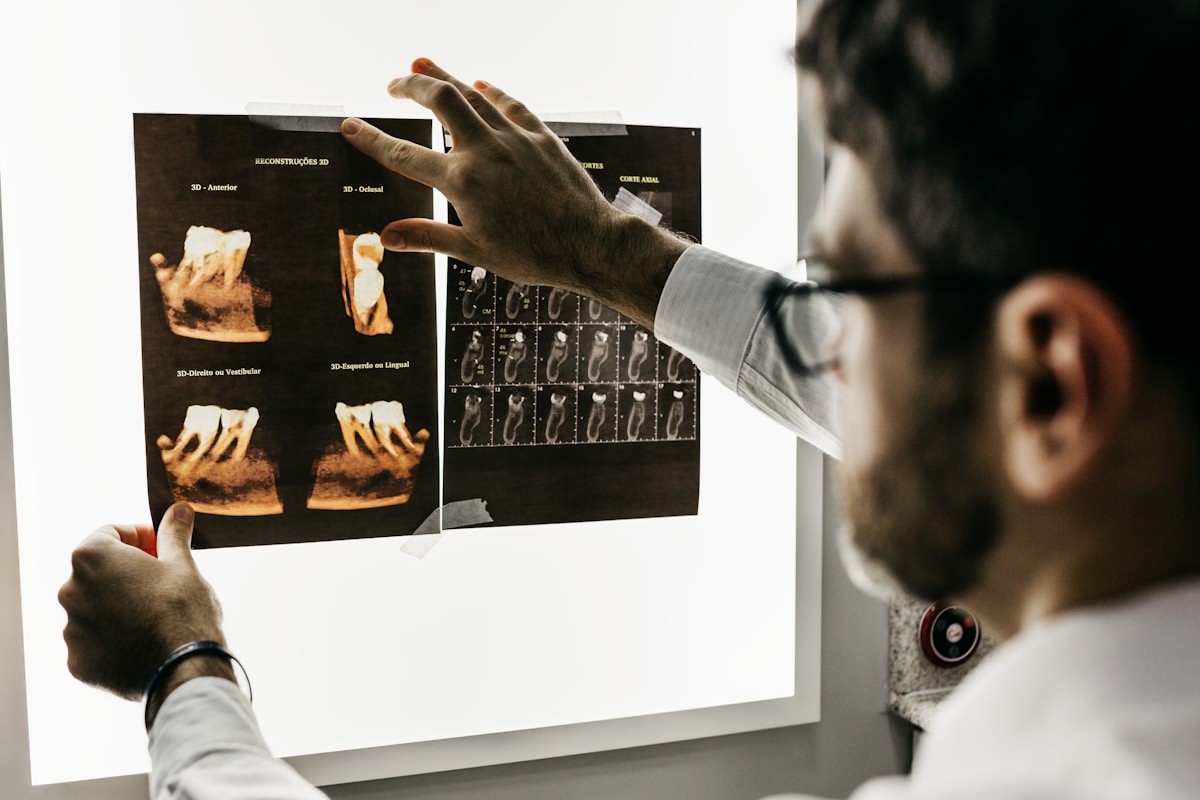
- 3D CBCT scanners for precise implant planning
- CAD/CAM milling machines for same-day crowns and restorations
- Digital smile design software for predictable cosmetic outcomes
- Intraoral scanners replacing traditional impression molds
- Surgical guides for computer-guided implant placement
This technology is not just for show. CBCT scanning, for instance, reduces implant failure rates by enabling precise placement relative to nerves and bone density. Picasso Dental (rated 5.0, 772 reviews) and Westcoast International both operate with full digital workflows.
Do HCMC Clinics Use the Same Materials as Western Practices?
A common concern is whether clinics use inferior materials. At verified HCMC clinics, the answer is no. You will find the same premium brands used worldwide:
- Implants: Straumann (Switzerland), Nobel Biocare (Sweden), Osstem (South Korea), Neodent (Brazil)
- Ceramics: IPS E-max (Ivoclar Vivadent), BruxZir (Glidewell), Katana Zirconia (Kuraray Noritake)
- Bonding agents: 3M, Ivoclar Vivadent, Kerr
Always request a material certificate or product sticker for your records. Reputable clinics provide this automatically.
What Red Flags Should You Watch For?
Avoid clinics that display any of these warning signs:
- No visible operating license from the Vietnamese Ministry of Health
- Unusually low prices that undercut the market by more than 30-40%
- No international patient reviews on Google or independent platforms
- Pressure to commit immediately without a detailed treatment plan
- Reluctance to provide material certificates or brand information
- No written warranty for major procedures like implants
- Poor English communication with no translator available
What Warranties and Follow-Up Care Should You Expect?
Reputable clinics provide written warranties:
- Dental implants: 5-10 year warranty on the implant fixture, 2-3 years on the crown
- Porcelain veneers: 3-5 year warranty
- Crowns and bridges: 3-5 year warranty
For follow-up care after returning home, most clinics offer video consultations. If an issue arises that requires in-person attention, SmileJet can coordinate with partner dentists in your home country or arrange a return visit.
How Does SmileJet Add a Safety Layer?
SmileJet independently verifies every listed clinic through on-site assessments, credential checks, patient outcome reviews, and ongoing monitoring. When you book through SmileJet, you benefit from:
- Pre-verified clinic credentials and hygiene standards
- Transparent, itemized pricing with no hidden fees
- Post-treatment support and warranty tracking
- A dedicated patient coordinator throughout your journey
The Bottom Line
Dental work in Vietnam is safe when you choose wisely. Stick to verified, internationally reviewed clinics like those in our top 8 ranking, and you will receive world-class care at a fraction of the price. The savings are real, and so is the quality — when you do your homework.
Ready to find a verified clinic? Start your search on SmileJet and receive free quotes from HCMC’s highest-rated dental clinics.
Ready to book your dental treatment?
Compare verified HCMC clinics with real pricing at SmileJet
Explore SmileJet arrow_forward